

OUR DELEGATIONS
The OMI Colombo Province extends its missionary heart across Asia through dedicated delegations in Pakistan, Bangladesh, and Japan-Korea. Driven by an "Ad Gentes" spirit, our Oblates serve as a prophetic presence within diverse cultural and religious landscapes. Whether fostering local vocations, advocating for marginalized ethnic groups, or providing social care in urban centers, these delegations embody our commitment to the most abandoned. By standing in solidarity with the poor beyond our borders, we continue the legacy of St. Eugene de Mazenod, bringing hope and the Gospel to the furthest horizons of the continent.
THE DELEGATION OF PAKISTAN

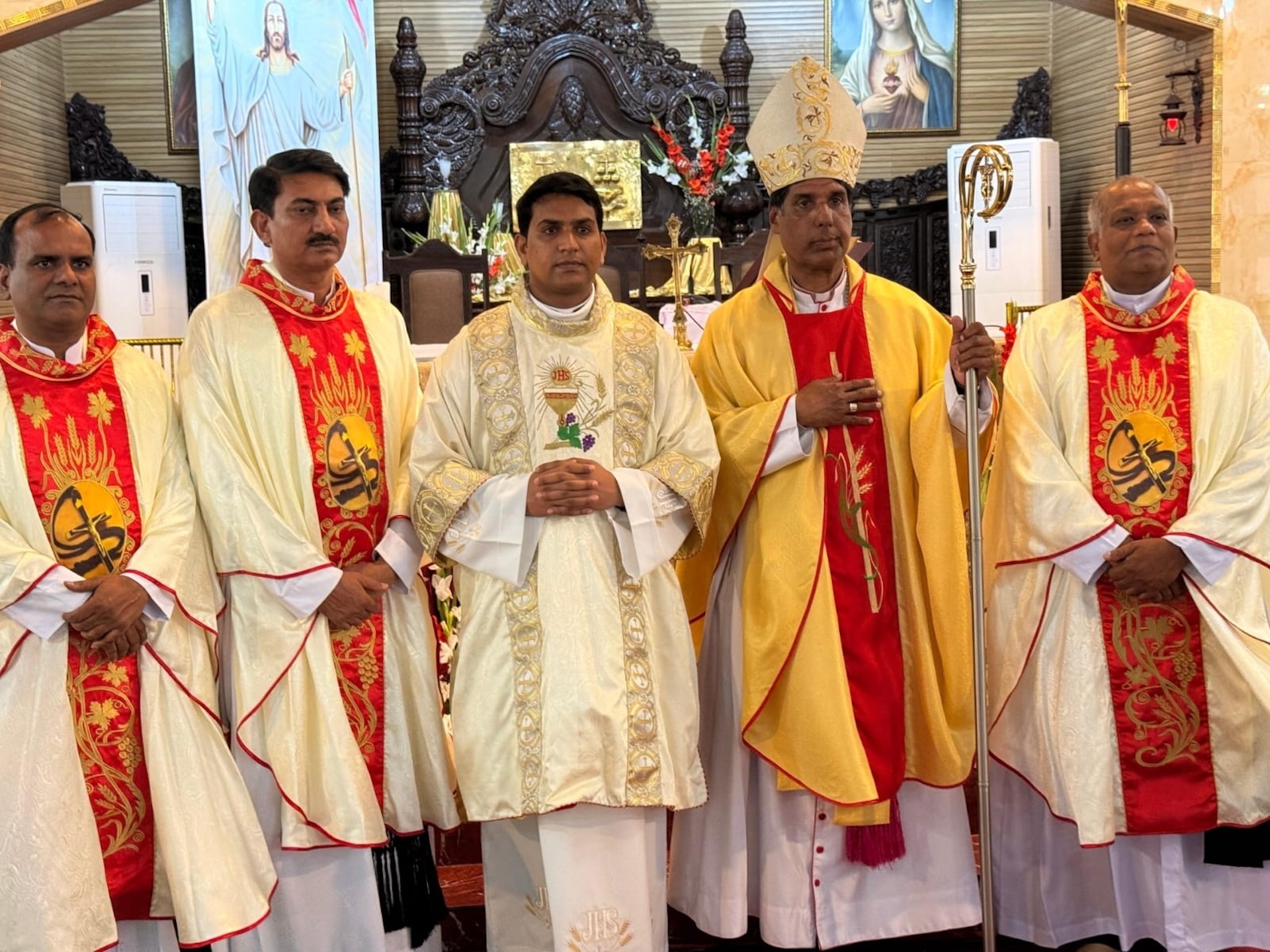
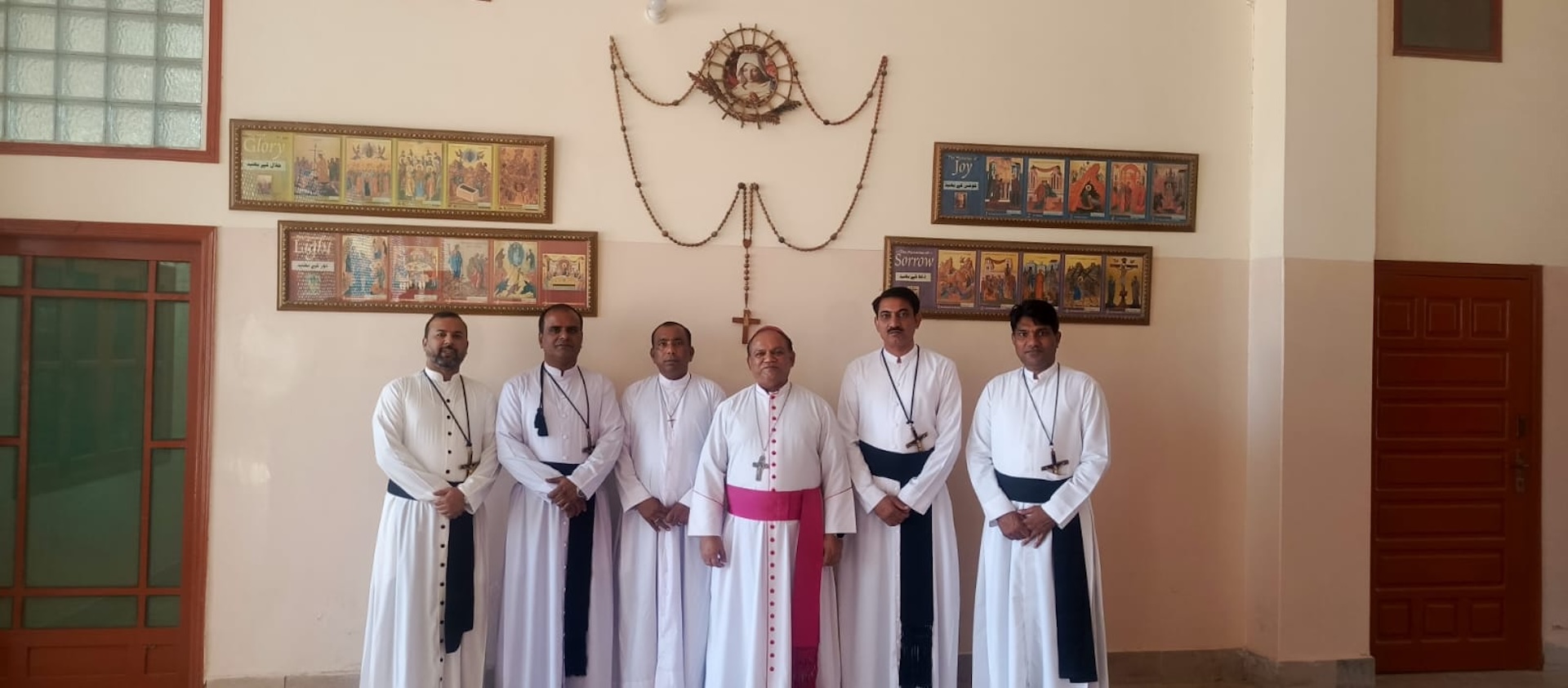
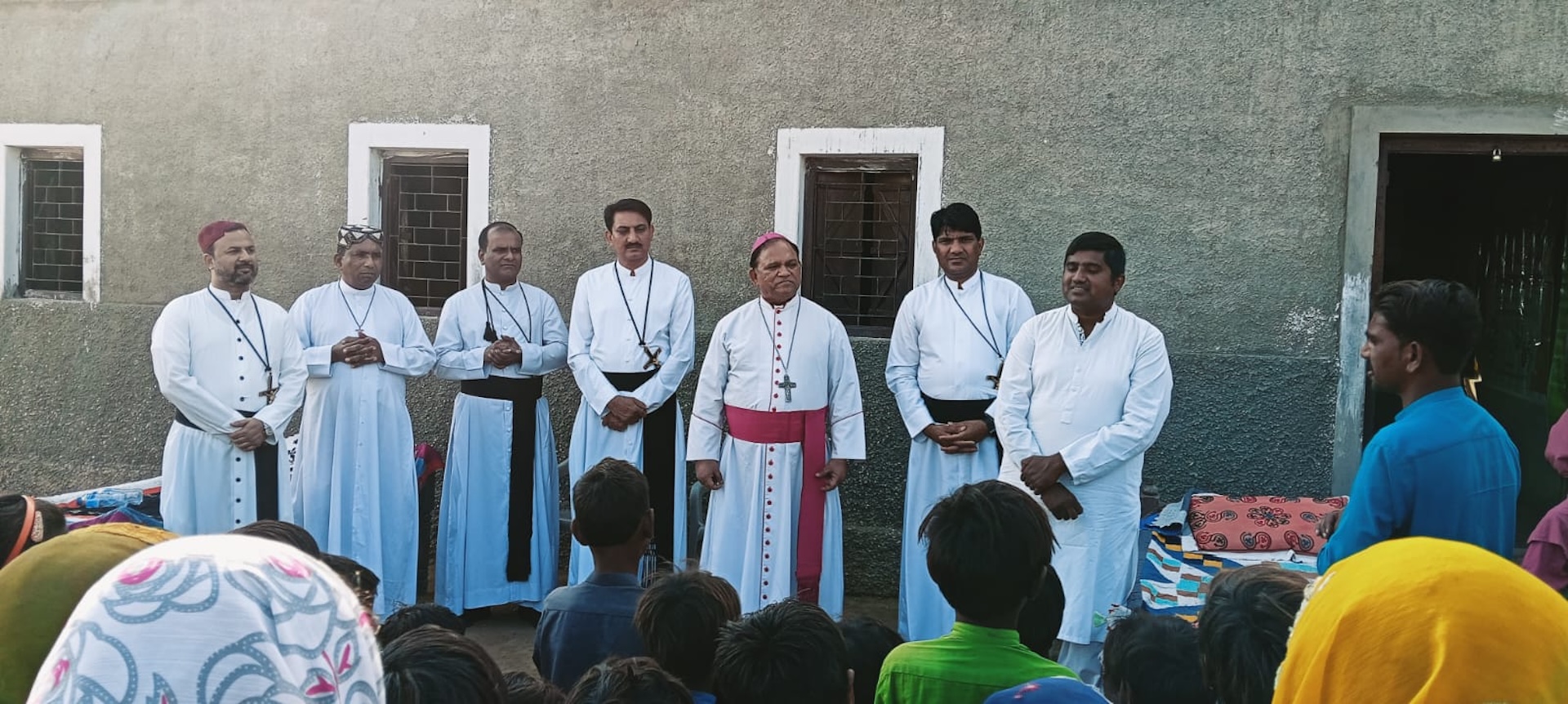
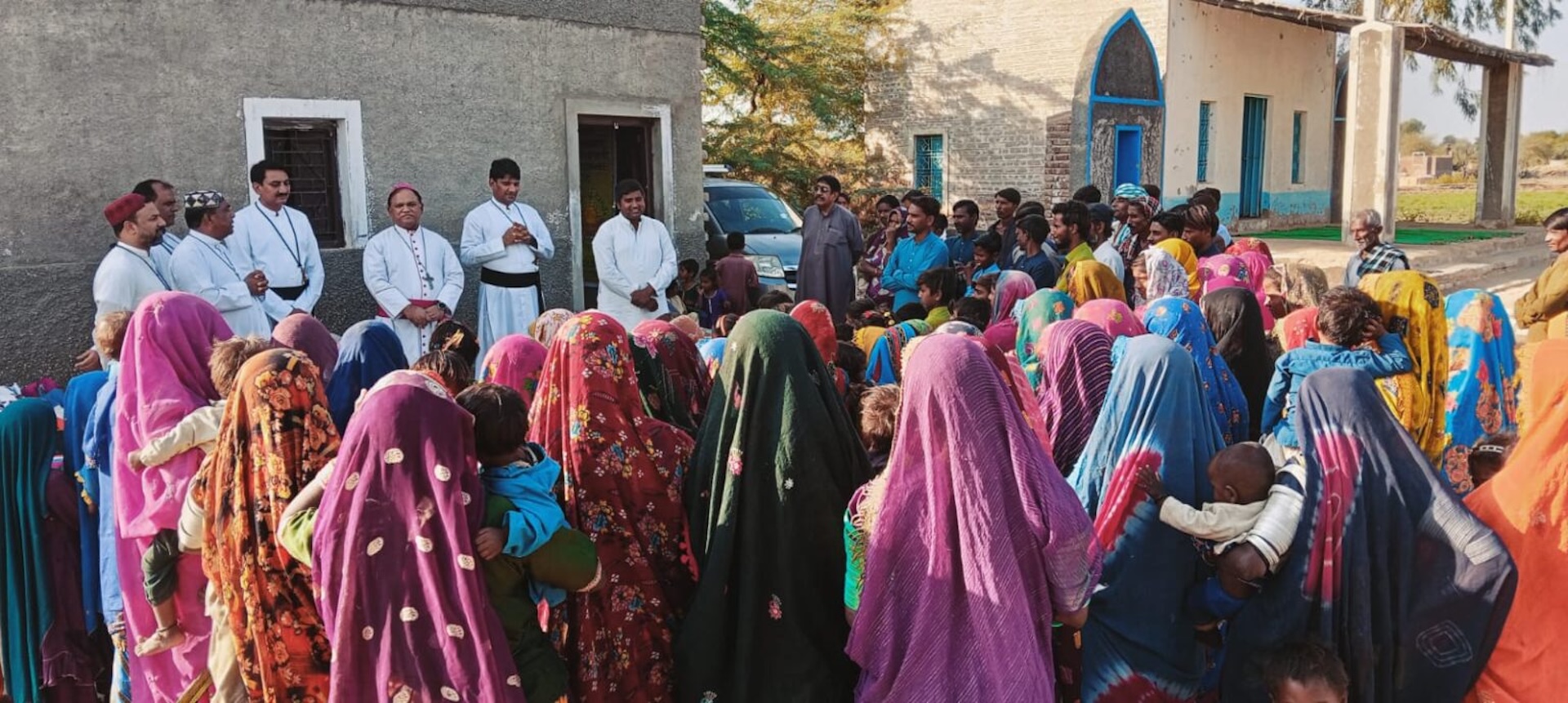
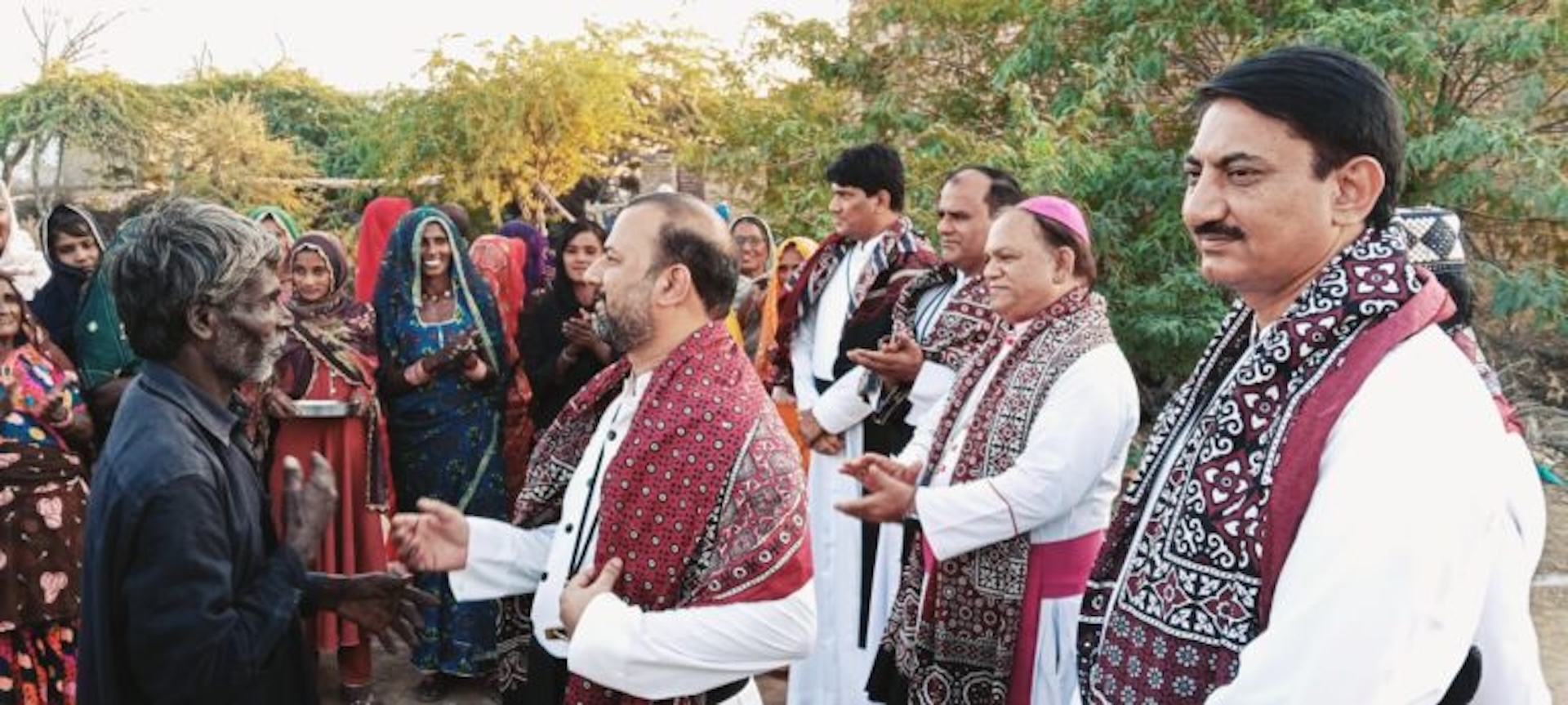
Pakistan, a Muslim-majority nation of approximately 250 million people, is home to a resilient Christian community of 3.3 million, including nearly 1.5 million Catholics. The Oblate mission in Pakistan began with a bold missionary step taken in 1971 by the then-Provincial of Sri Lanka, Fr. Lucien Schmitt, OMI. Following an invitation from Bishop Benedict Cialeo, OP, three pioneering Sri Lankan Oblates—Fr. Lester Silva, Fr. Job Basil Silva, and Fr. Theogenes Joseph—arrived in the country on February 14, 1971, beginning their journey in the parish of Gojra within the Diocese of Faisalabad.

Humble Beginnings & Pastoral Advocacy
The first Oblates immersed themselves in the local culture, dedicating their first months to intensive Urdu language studies before being assigned to various parishes. From the outset, they embraced the core Oblate charism: seeking out the most abandoned and marginalized members of society.
By prioritizing the "voice of the voiceless," the Oblates provided more than just spiritual guidance; they offered a prophetic presence that brought hope, encouragement, and basic rights—such as education and essential facilities—to oppressed communities, affirming their dignity as children of God.

Humble Beginnings & Pastoral Advocacy
The first Oblates immersed themselves in the local culture, dedicating their first months to intensive Urdu language studies before being assigned to various parishes. From the outset, they embraced the core Oblate charism: seeking out the most abandoned and marginalized members of society.
By prioritizing the "voice of the voiceless," the Oblates provided more than just spiritual guidance; they offered a prophetic presence that brought hope, encouragement, and basic rights—such as education and essential facilities—to oppressed communities, affirming their dignity as children of God.

Missionary Expansion
The impact of the Oblate mission soon resonated across the country. Through their radical witness and commitment to literacy, social development, and financial empowerment, other dioceses began inviting the Oblates to serve their faithful. Over the following decades, the mission expanded from Faisalabad into the dioceses of Multan, Lahore, Hyderabad, and Karachi.

A significant milestone occurred in the Balochistan region:
-
The Quetta Mission: Entrusted to the Oblates in 1982, the mission flourished under the leadership of Fr. Victor Gnanapragasam, OMI.
-
Ecclesiastical Growth: In 2001, Pope John Paul II established the Apostolic Prefecture of Quetta, naming Fr. Victor as its first Prefect. By 2010, Pope Benedict XVI elevated the region to an Apostolic Vicariate, appointing Fr. Victor Gnanapragasam, OMI, as its first Apostolic Vicar, marking a historic era of growth for the Church in Pakistan.

The Delegation Today
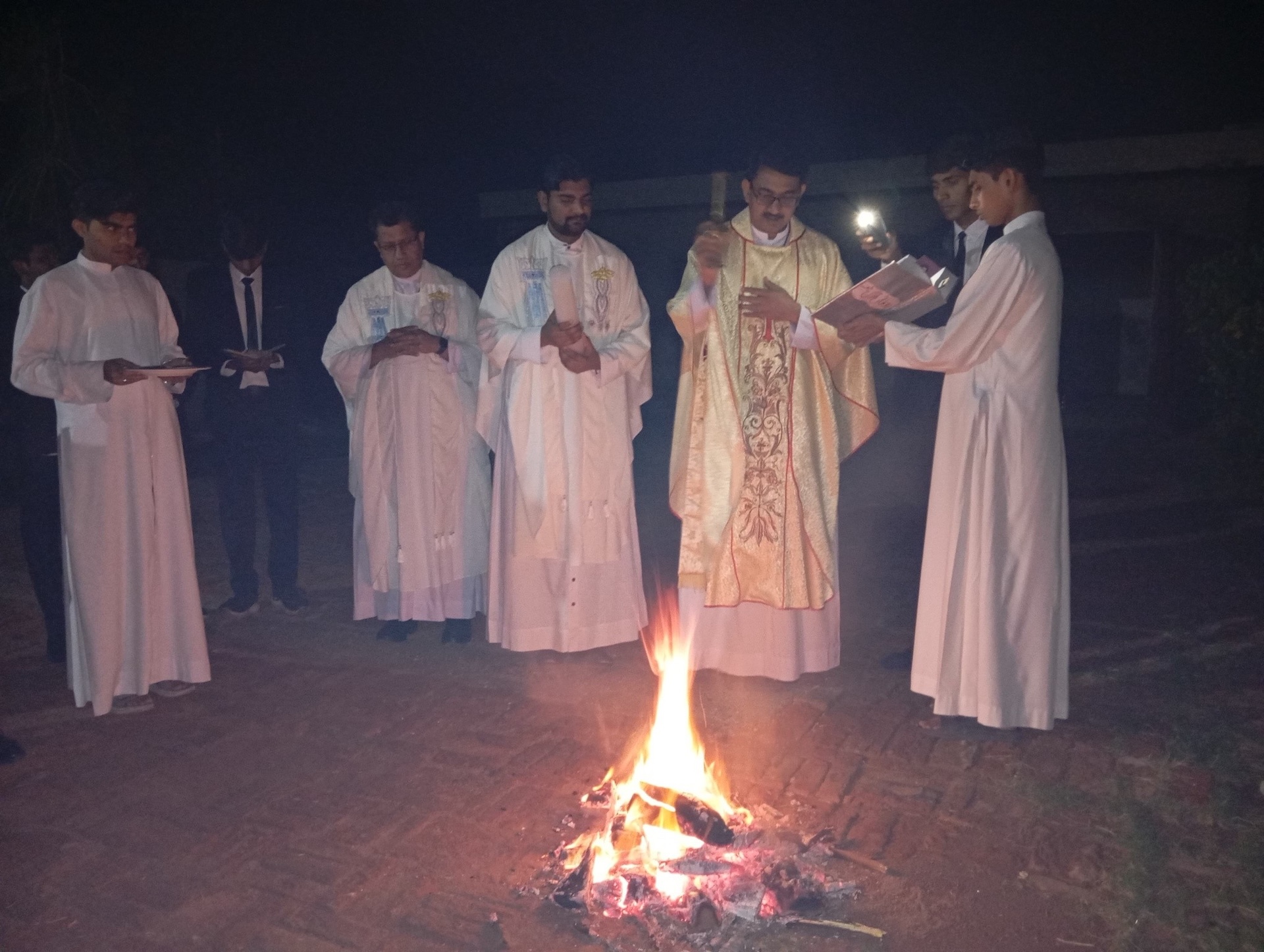
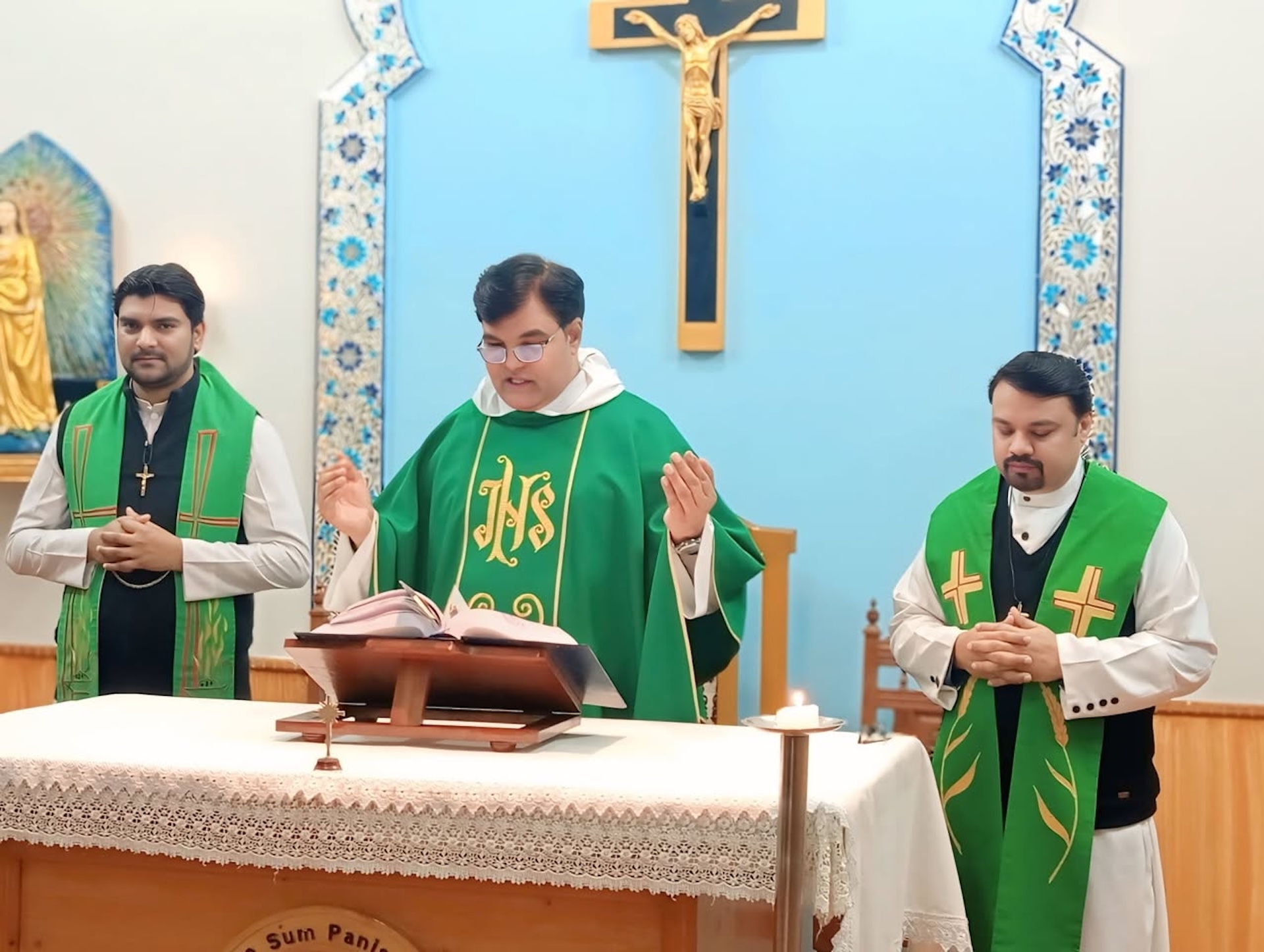
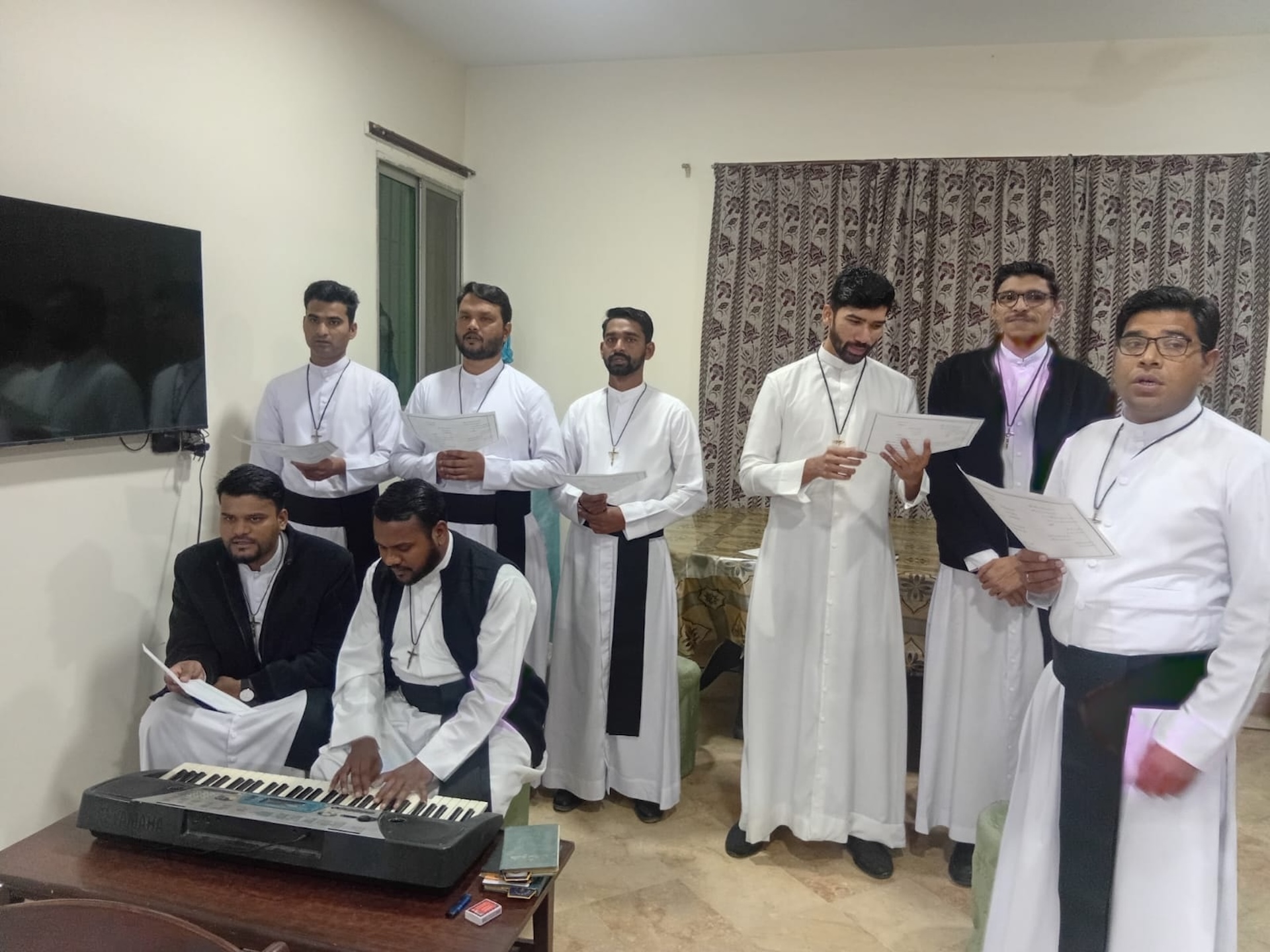
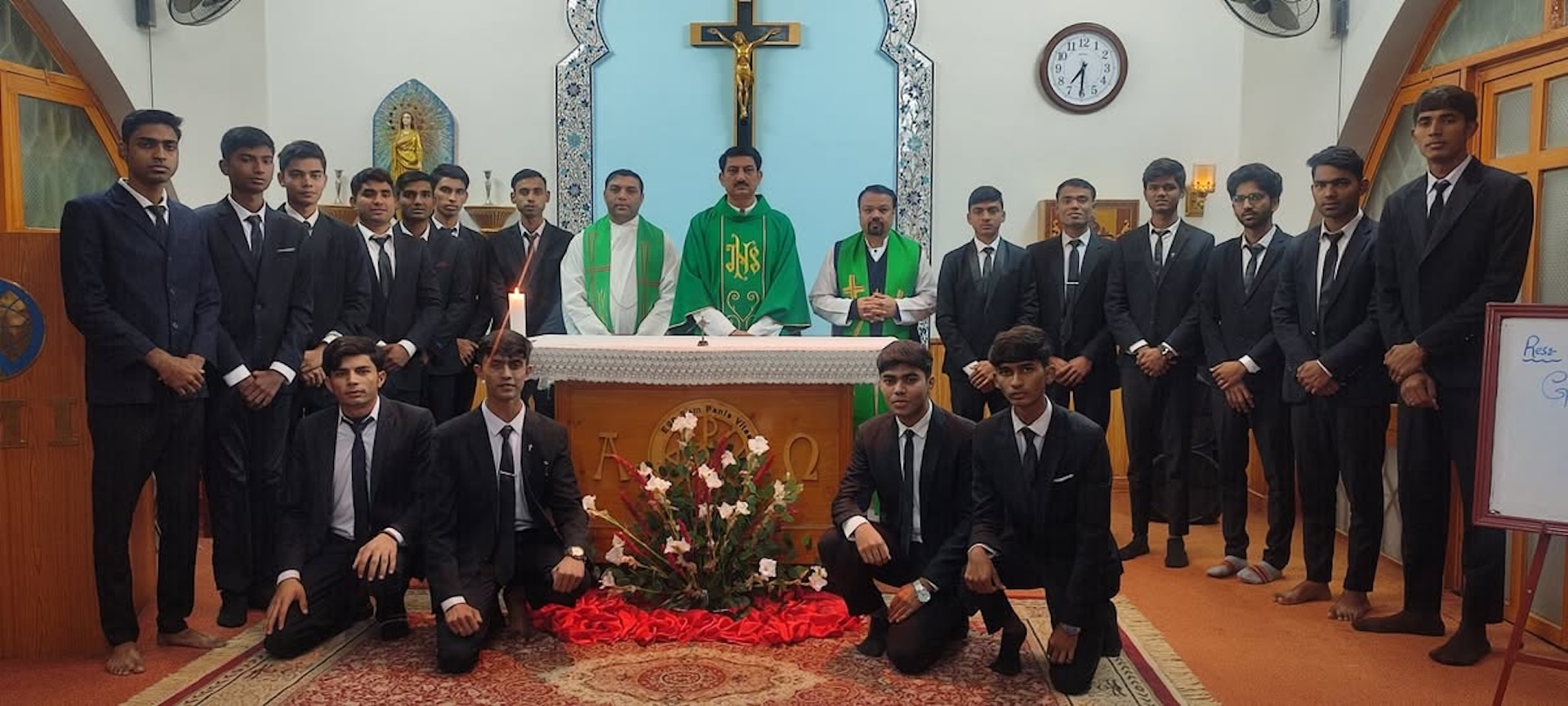
As of 2026, the Delegation of Pakistan is a mature and vibrant missionary body characterized by its deep focus on pastoral ministry, education, and the integral development of Catholics living on the margins.
The Delegation has achieved significant self-reliance and vitality, evidenced by:
-
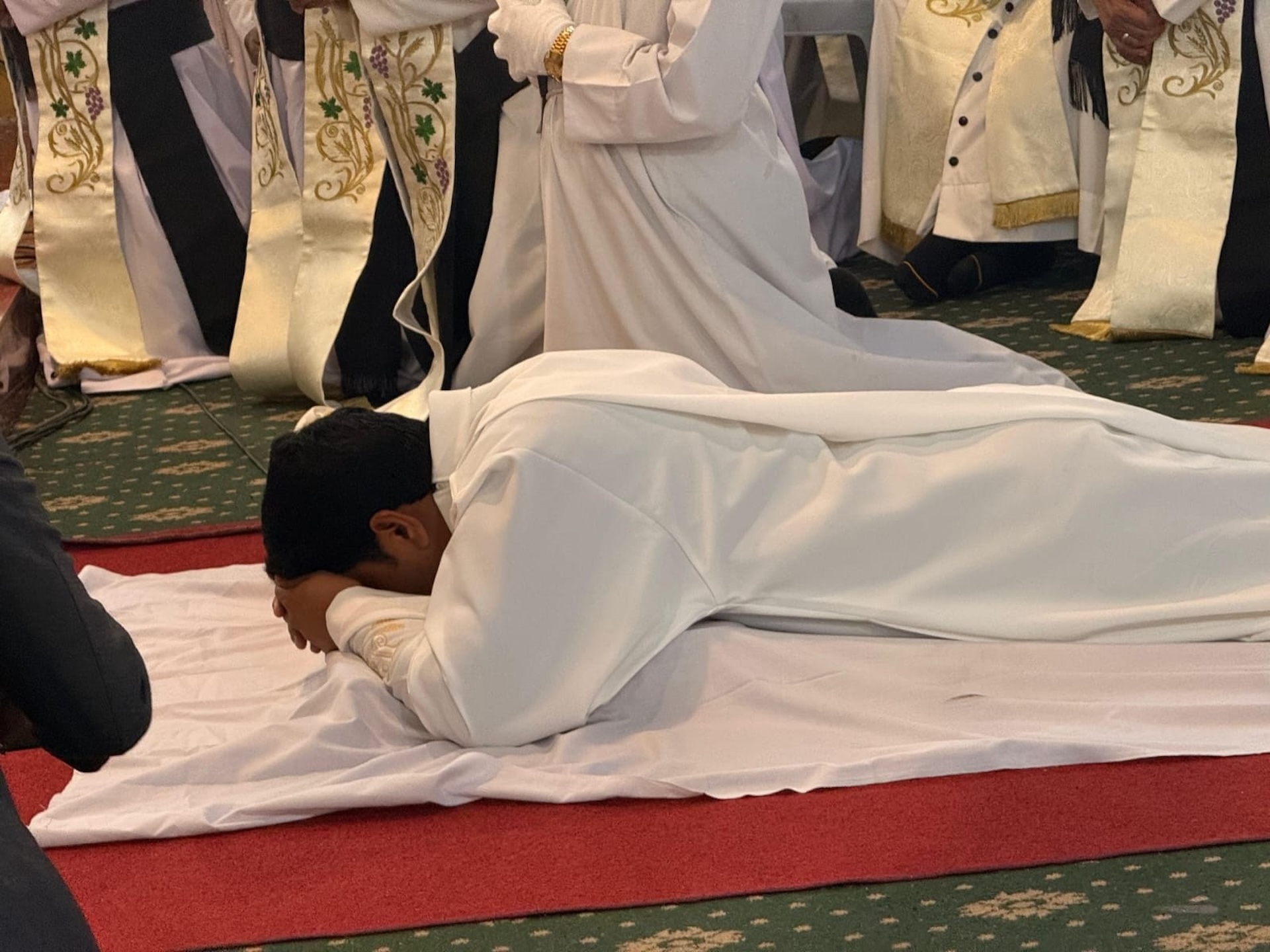
Vocational Growth: A steady increase in local vocations, with eight Pakistani Oblates ordained between 2020 and 2025.
-
Global Missionary Service: Pakistani Oblates are now serving not only within their own borders but also in missions abroad, contributing to the global Oblate family.
-
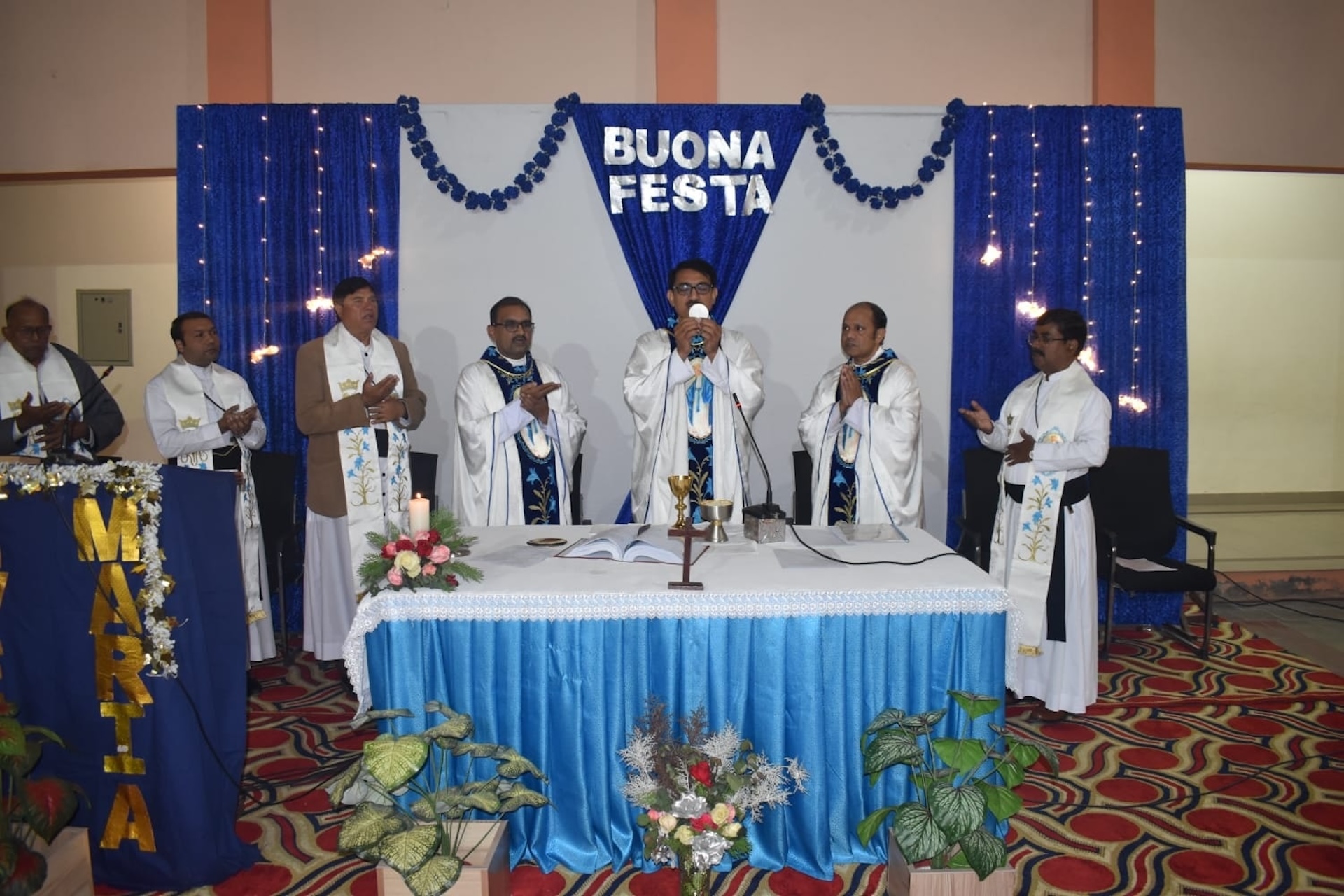
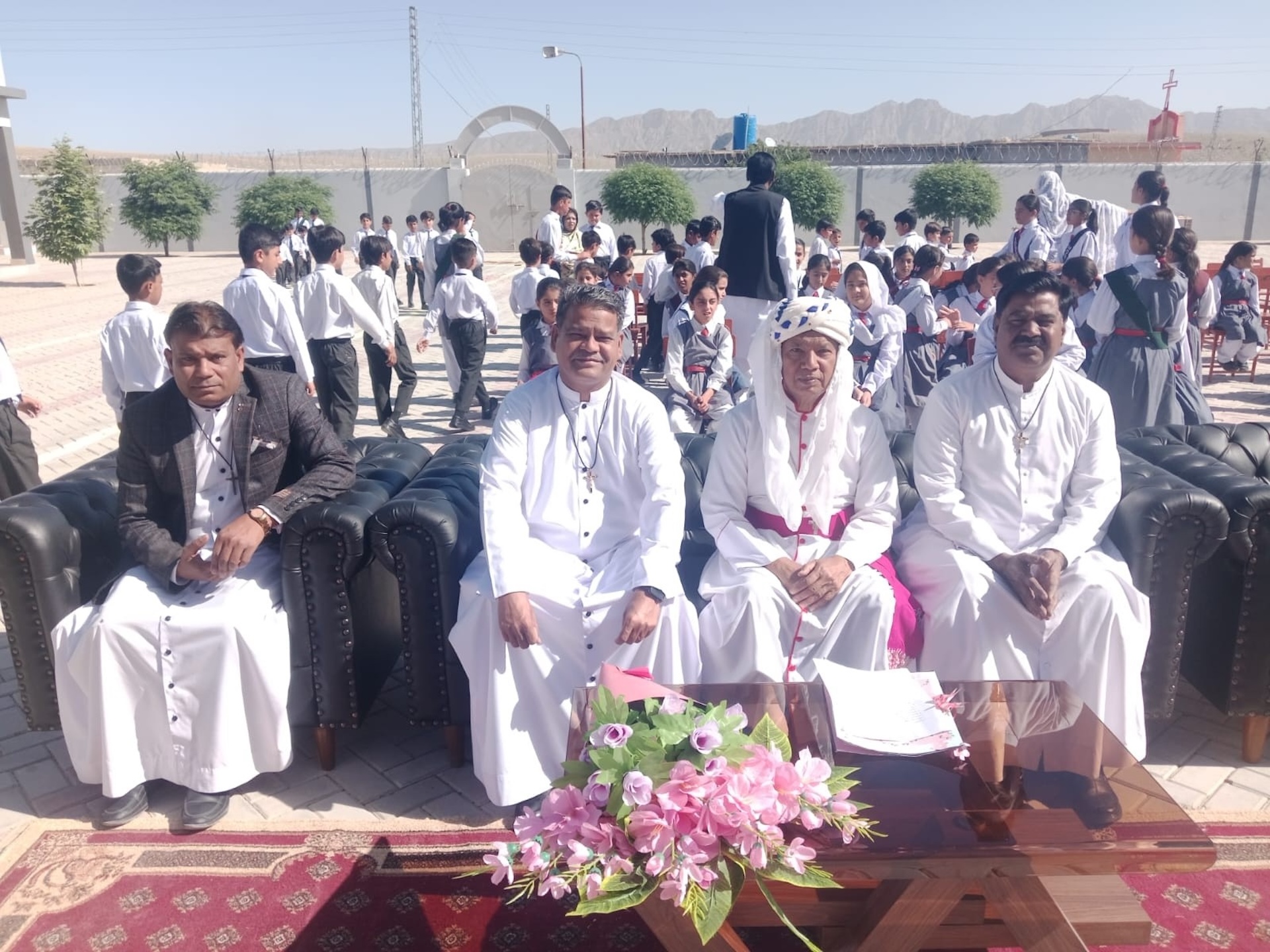
Current Presence: With nearly 50 Oblates currently serving in the Delegation, the mission continues to thrive in its formation houses and parishes. Two Sri Lankan-born Oblates–Fr. J. J. Edward and Fr. Thyagan Fonseka–continue to dedicate their lives for the Church of Pakistan.
Faithful to the legacy of St. Eugene de Mazenod, the Oblates in Pakistan remain committed to standing in solidarity with the poor and proclaiming the Gospel with renewed apostolic zeal.
THE DELEGATION OF BANGLADESH

Geography and the Birth of the Mission
Bangladesh is a land of immense natural beauty, spanning 148,160 sq. km and crisscrossed by more than 350 rivers. While the nation is predominantly Muslim (approximately 91%), it maintains a diverse religious landscape that includes Hindus (8%), Buddhists, and Christians. Though Christians comprise less than half a percent of the population, they play a vital role in the country's development, particularly in the field of education.

The Oblate mission in Bangladesh was officially born on June 1, 1973, when the General Council in Rome accepted an invitation from the Bishops’ Conference of Bangladesh to establish a Major Seminary and oversee new mission stations. The first to arrive was Fr. Philip Dissanayake, OMI, from Sri Lanka on July 29, 1973. He was soon joined by an international team of Oblates from Canada, France, Belgium, the Philippines, and Sri Lanka, focusing their initial efforts in the Sylhet region in the Northeast.


Ministry to Ethnic Communities
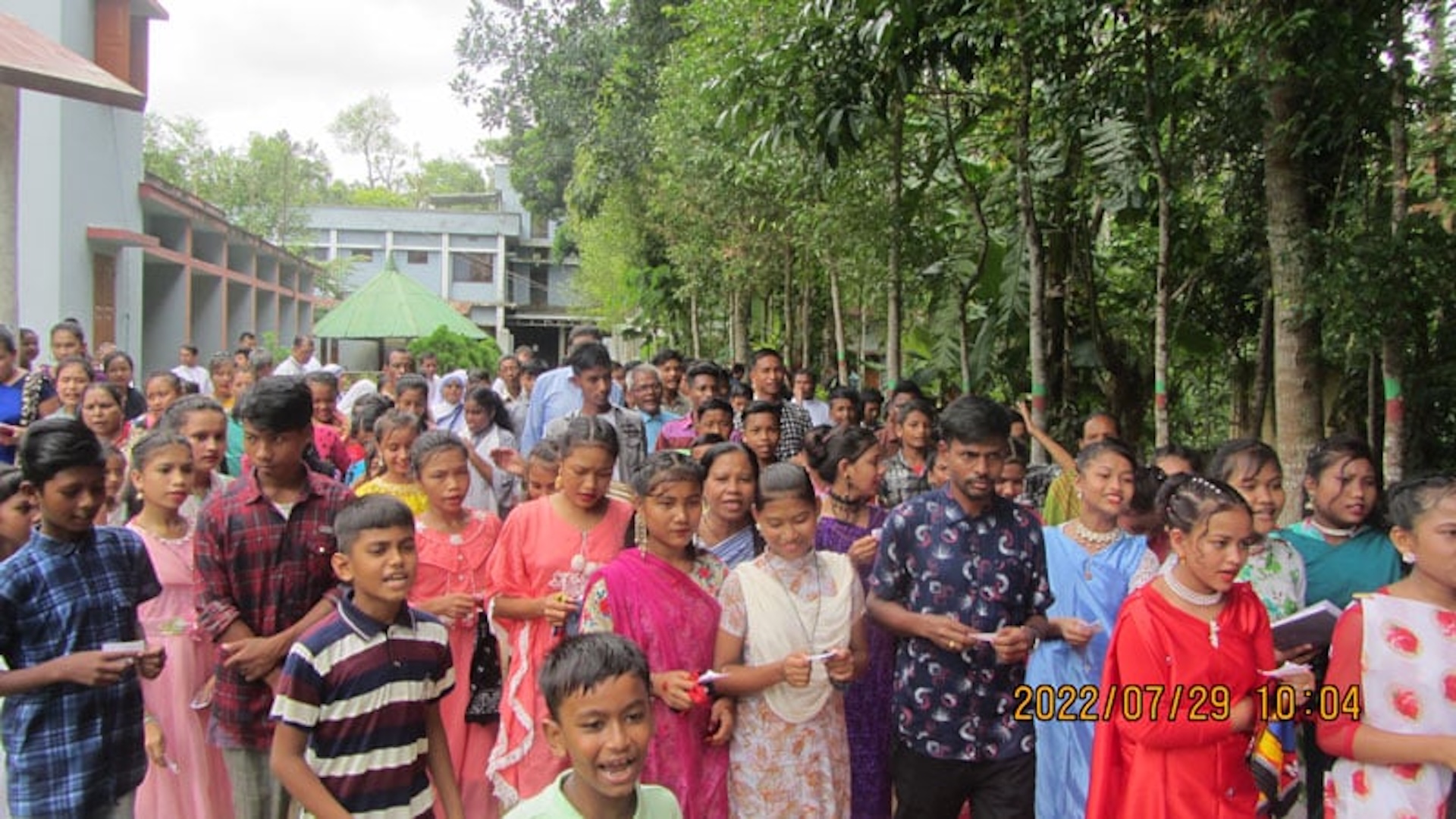
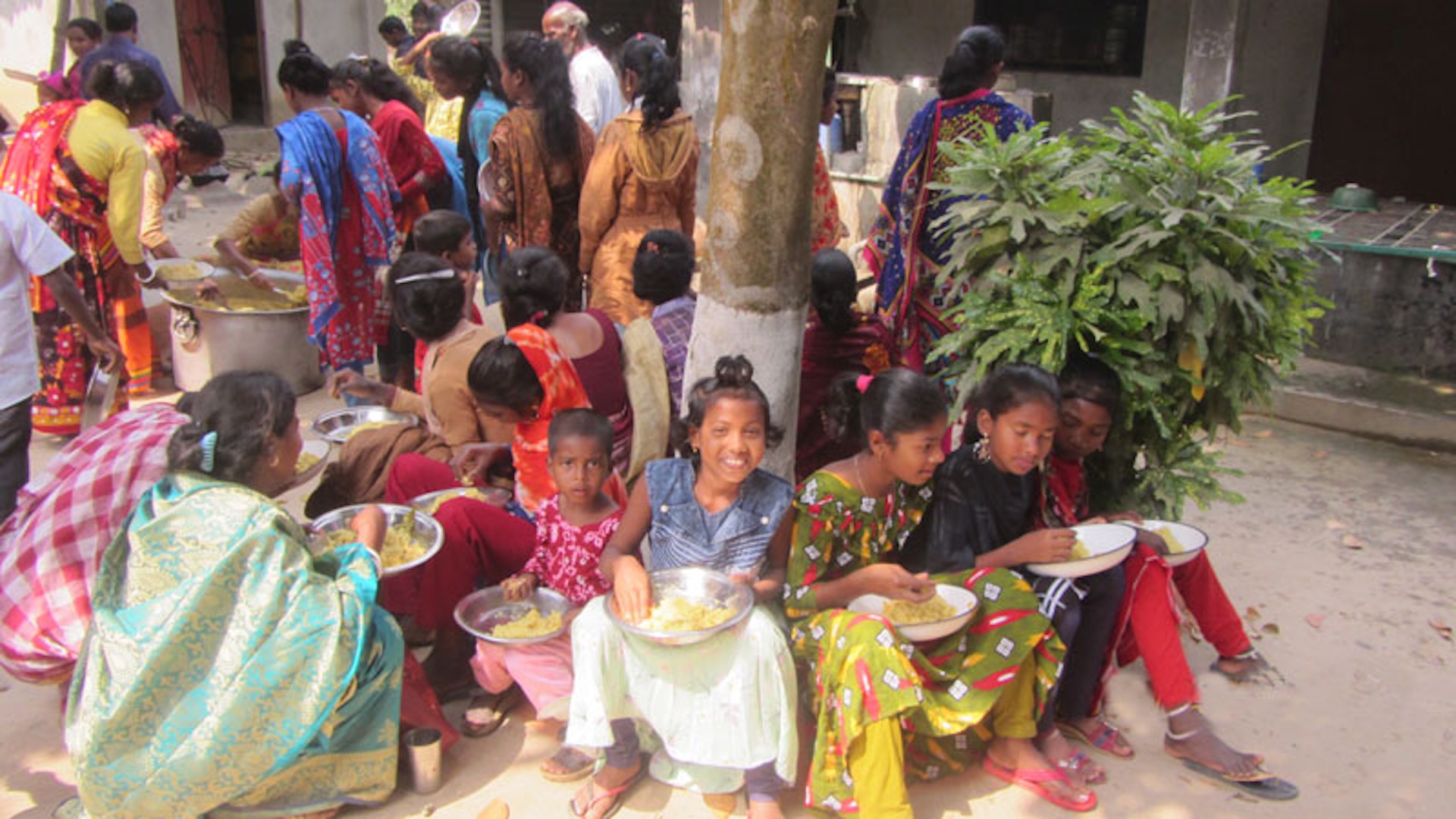
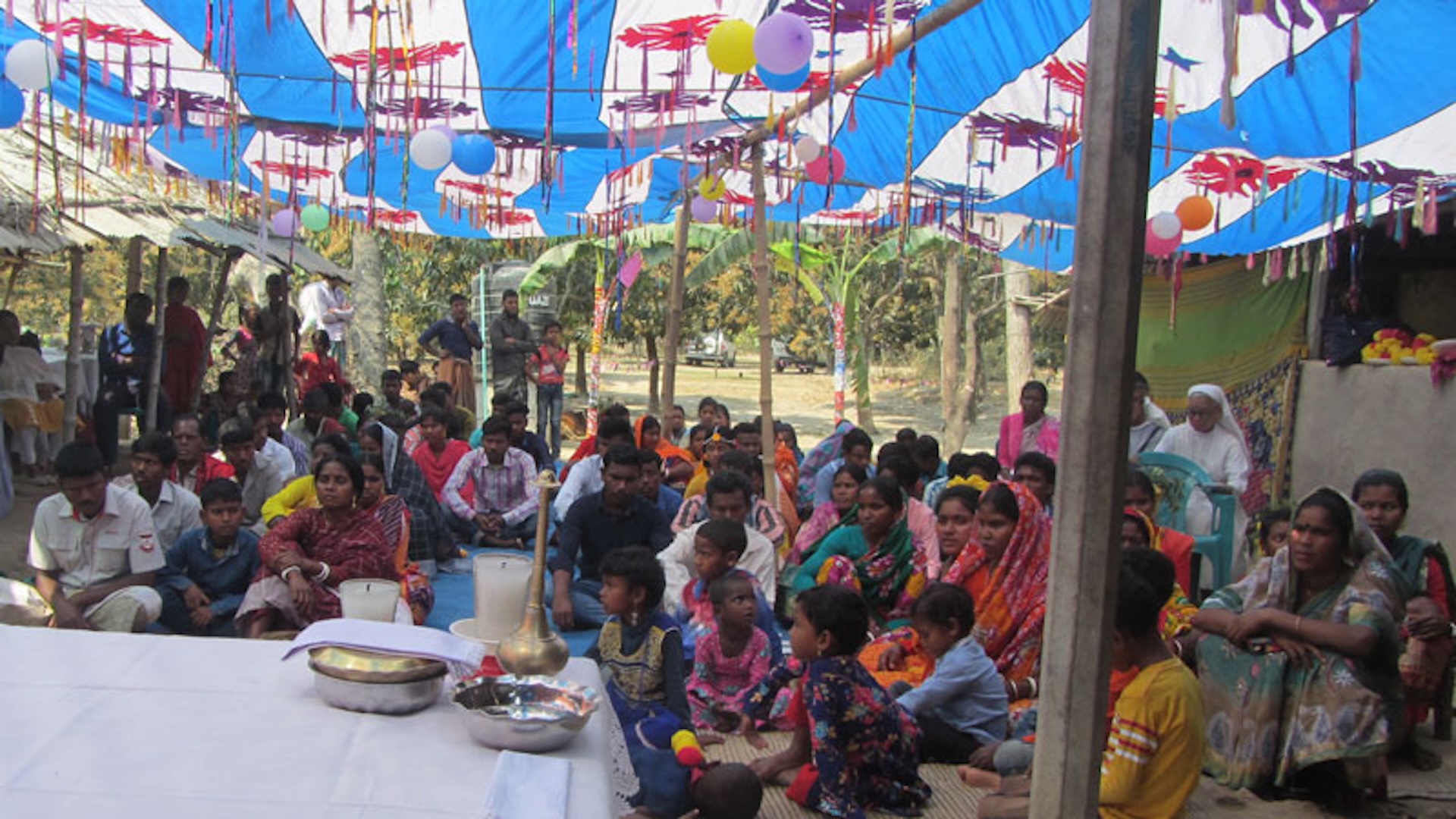
The Oblate charism in Bangladesh is most visible in its service to the country’s 50+ ethnic groups. Many of these communities live in the mountainous tea estates of the Northeast and Southeast, often facing extreme marginalization.
-
Social Advocacy: The Oblates serve those who are often without legal documentation and vulnerable to land-grabbing and the erosion of their cultural traditions.
-
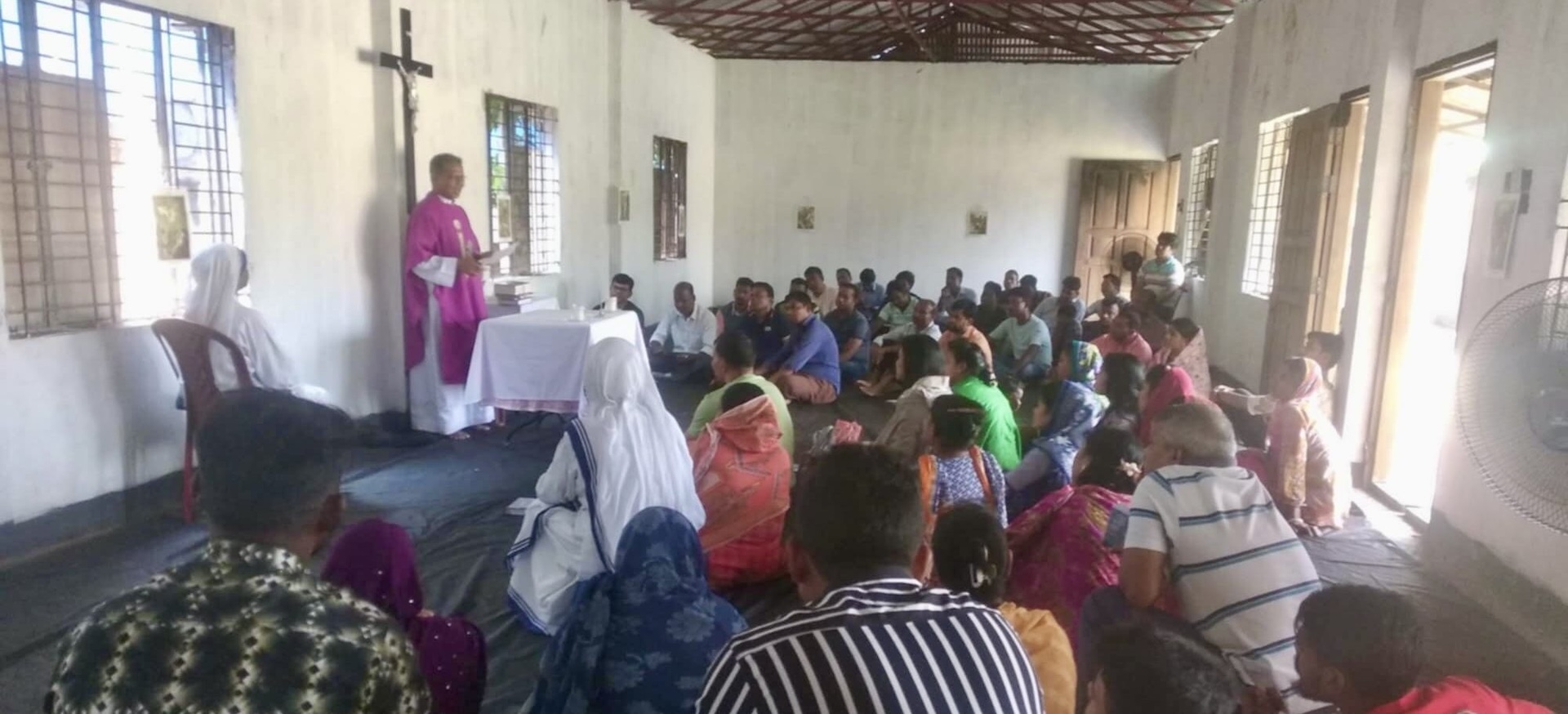
Restoring Faith and Dignity: Beyond providing healthcare and education, the Oblates have worked tirelessly to bring back those who had drifted away from the Church. Their deep involvement in justice and peace issues was a significant factor in the spiritual and social growth of the region, eventually contributing to the birth of the new Diocese of Sylhet.

The Delegation Today
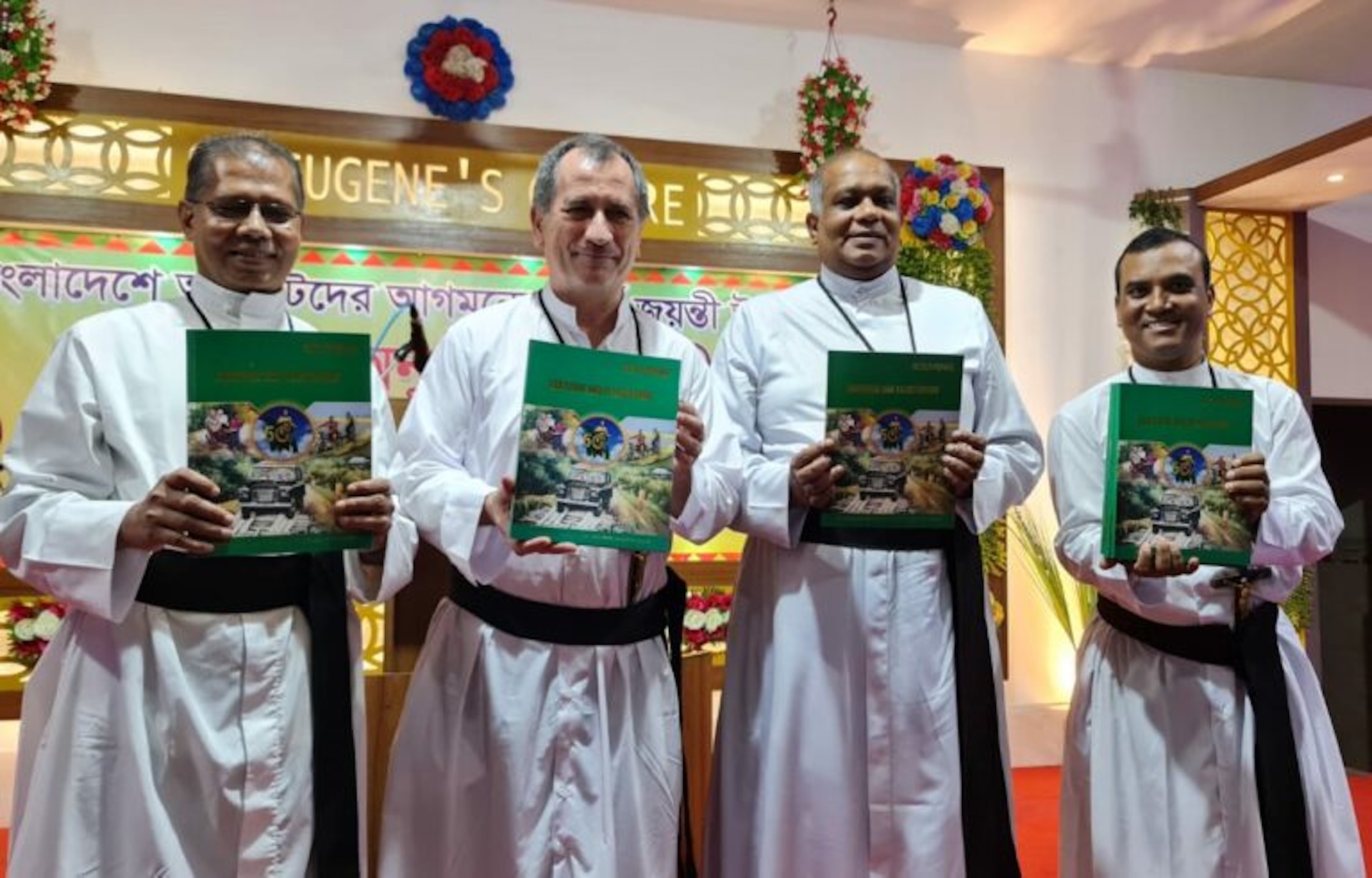
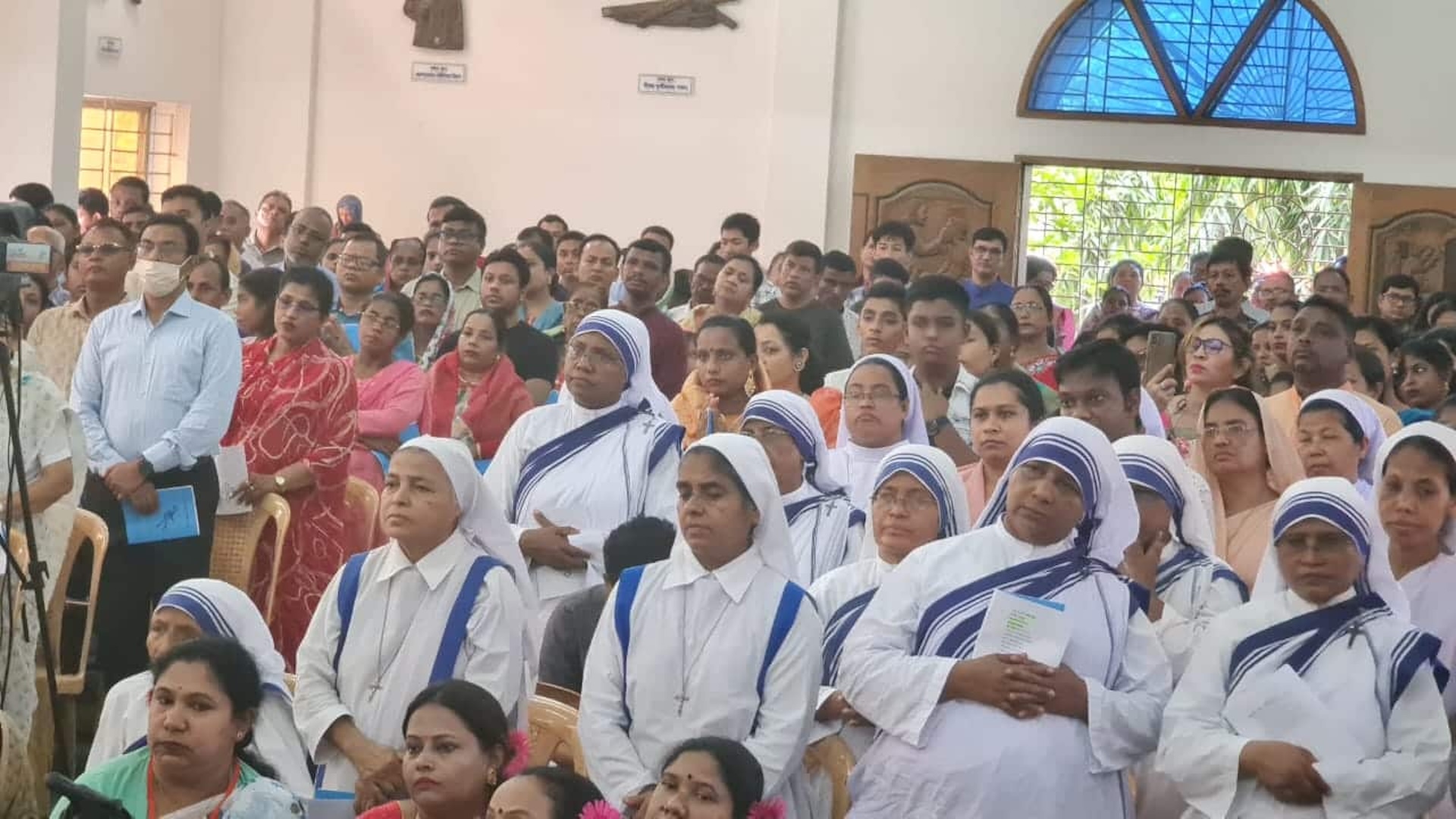
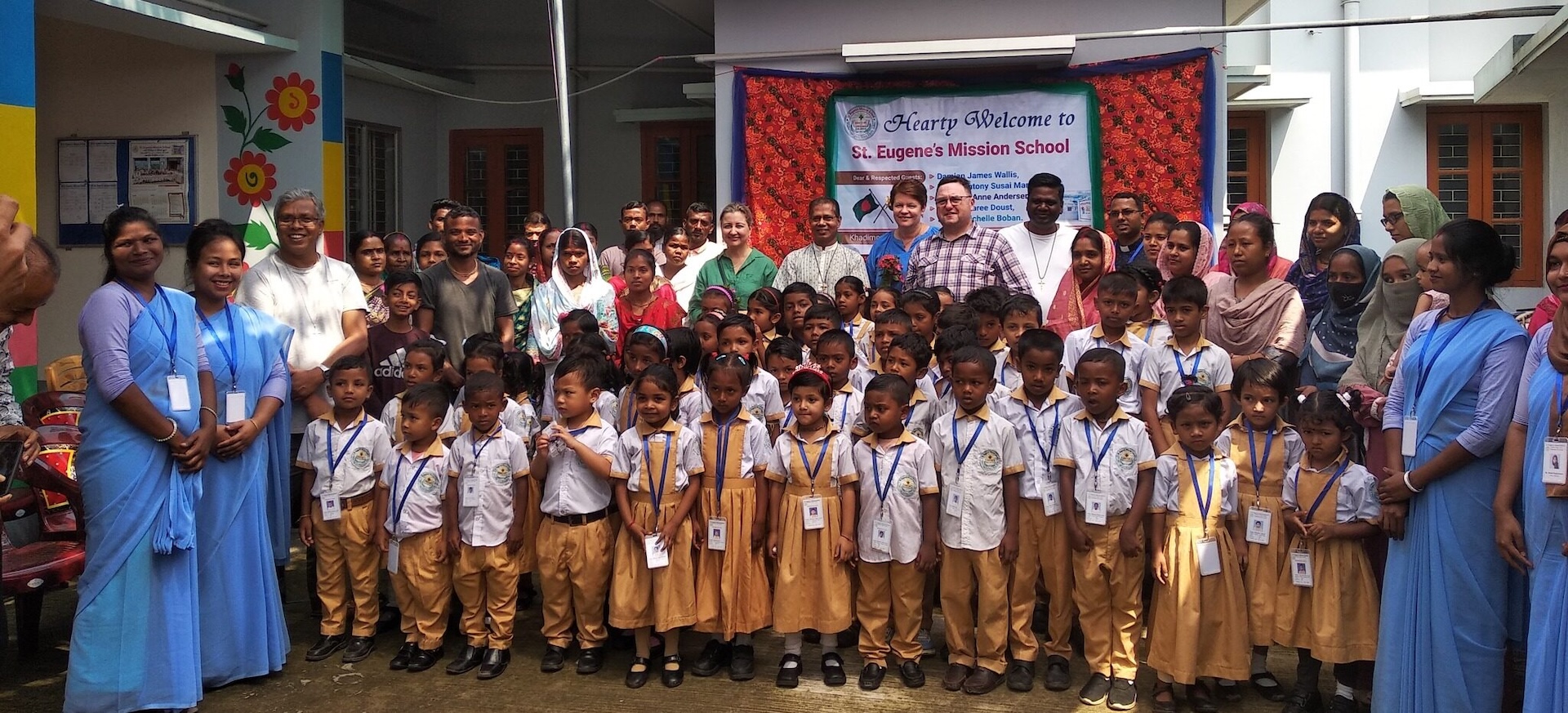
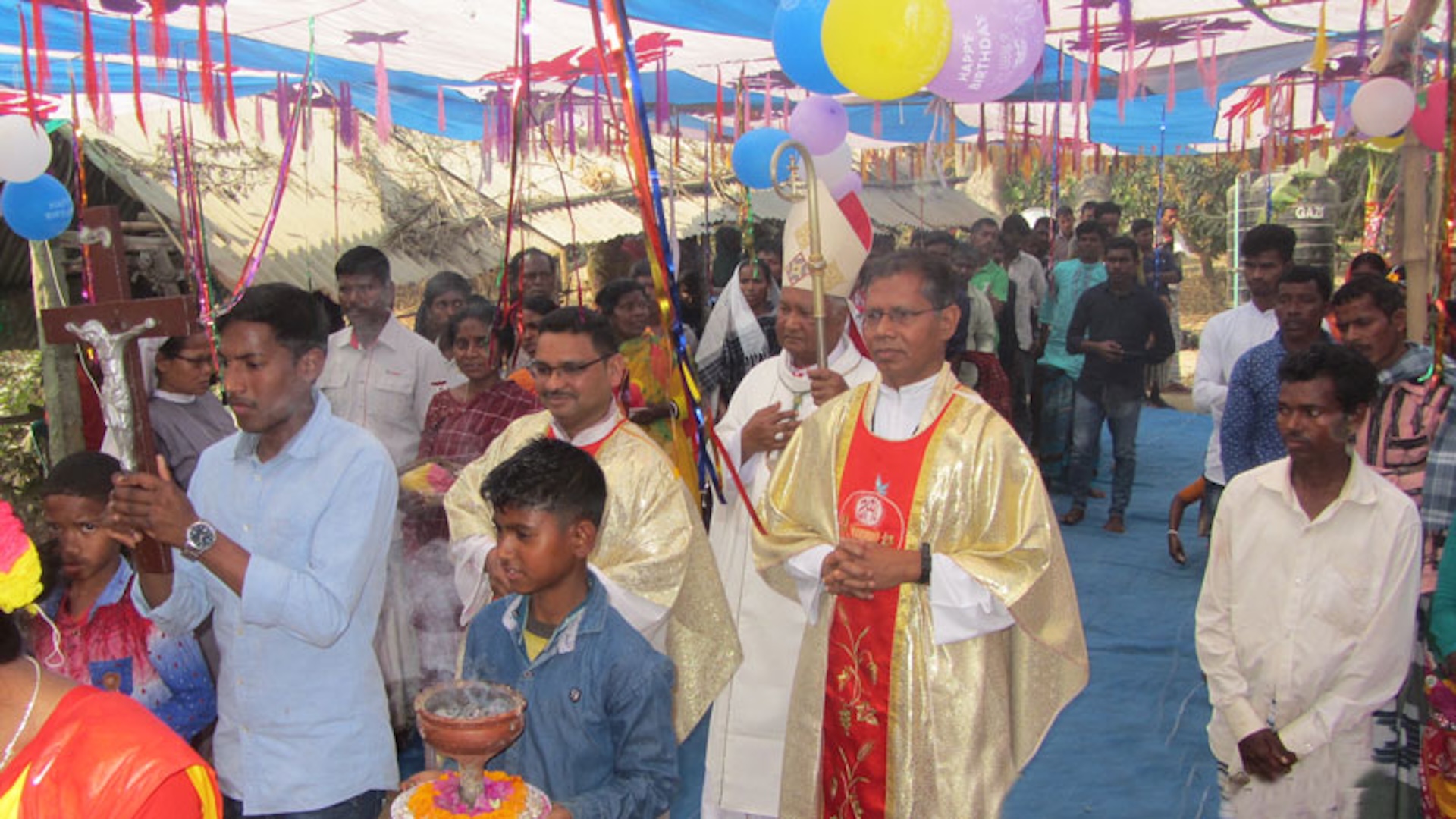
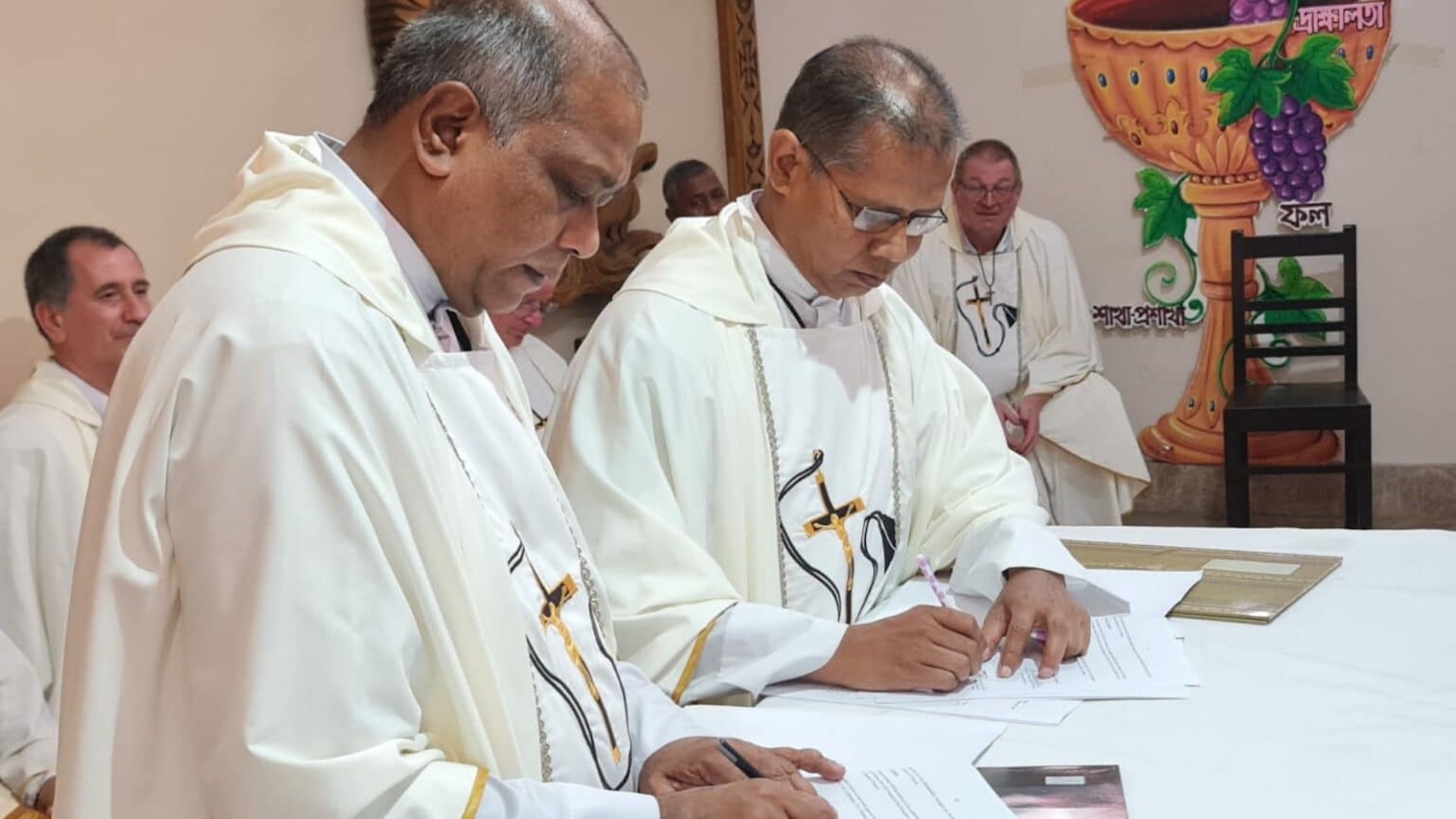
After more than 50 years of active presence, the Missionary Oblates are now the second-largest religious congregation in Bangladesh. Their mission has expanded from Sylhet to include the dioceses of Dhaka, Chittagong, and Rajshahi.
The growth and maturity of the mission are exemplified by the leadership of Most Rev. Bejoy N. D’Cruze, OMI, an Oblate who currently serves as the Archbishop of Dhaka. Despite limited resources, the Oblates continue to respond to frequent requests from bishops across the country for their missionary presence.

The Sri Lankan Legacy
The Colombo Province has maintained a profound and lasting bond with the Bangladesh mission through the dedicated service of several pioneering priests:
-
Rev. Fr. Emile Moraes, OMI: Served as Delegation Superior (1988–1998 and 2005–2012).
-
Rev. Fr. Angelo Martyn, OMI: Served as Delegation Superior (1998–2001).
-
Missionary Pioneers: Fr. Rex Kulas, Fr. Jacob Thiruchelvam, Fr. Loshington, and Bro. Kingsley Cooray.
-
Present Mission: Currently, Fr. Nirosh Rangana Perera, OMI, represents the Colombo Province in ongoing missionary service in Bangladesh.
THE DELEGATION OF JAPAN-KOREA
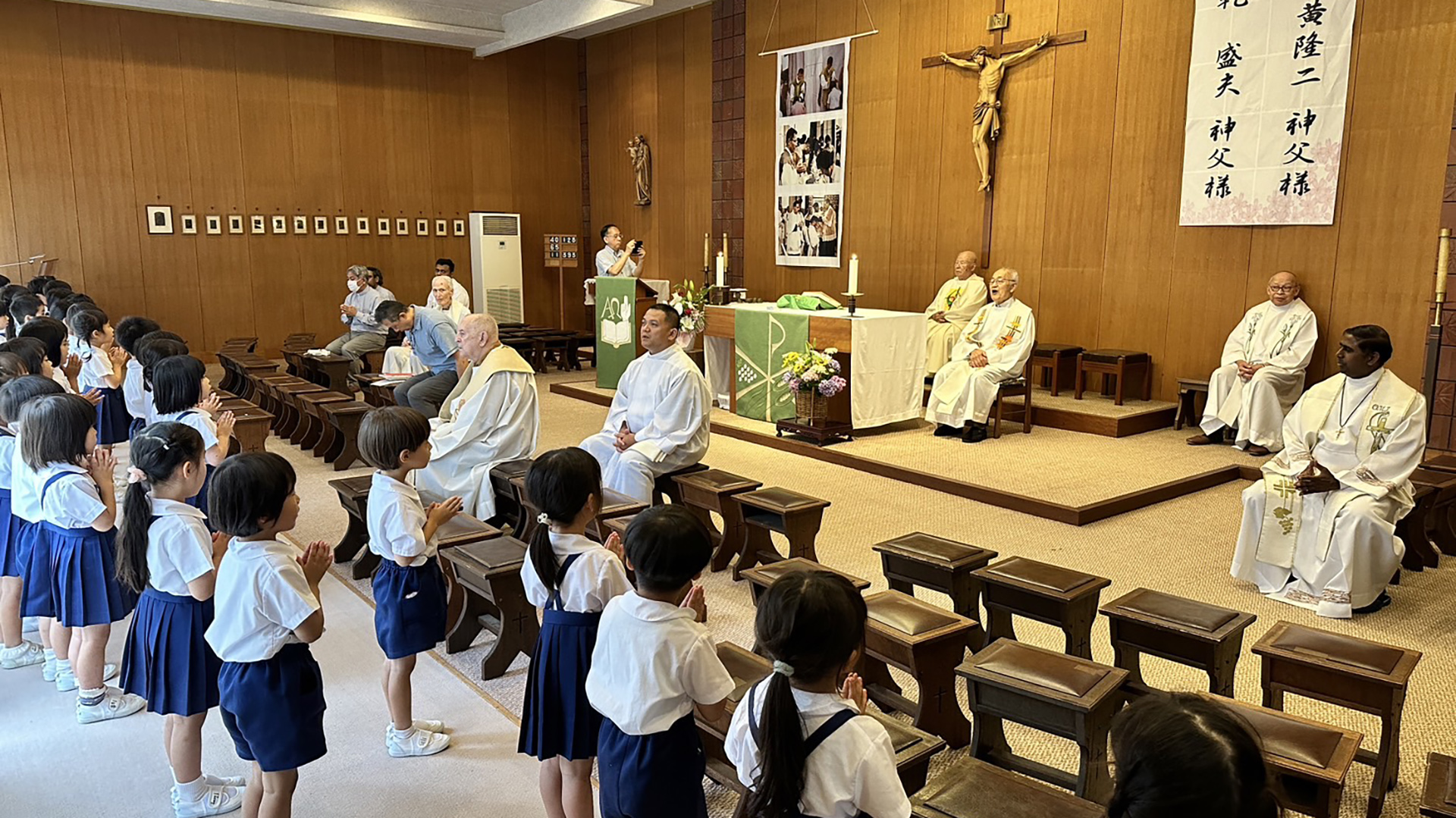
The story of the Oblates in Japan and Korea is one of courageous responses to "the most difficult missions." Since the mid-20th century, the Oblates have served as a source of hope in these nations, evolving from a mission of reconstruction into a diverse ministry focused on social advocacy and pastoral care.

Origins in Japan: "If no one else will go then we must"
Following the devastation of World War II, the Church sought missionaries to serve the island of Shikoku—an area considered so impoverished and challenging that few were willing to enter. Persisted by Bishop Paul Yoshigoro Taguchi of Osaka, the Superior General, Fr. Leo Deschatelets, O.M.I., issued a call to the entire Congregation in 1948. Responding to the urgent need, he famously stated: “If no one else will go then we must.”
On November 29, 1948, the first four pioneers from the Eastern American Province arrived in Japan. They worked tirelessly to build churches, mission houses, and kindergartens, providing a foundation of faith and education for a recovering nation. Over the decades, the mission expanded with the arrival of Oblates from the United States, Belgium, India, the Philippines, and Sri Lanka.

The Expansion to South Korea
In 1990, the General Administration decided to launch a new "ad gentes" mission in South Korea. Initially entrusted to the Italian Oblates, the mission began with two pioneers and soon grew to include missionaries from the provinces of Jaffna, Colombo, India, and the Delegation of Bangladesh.
Today, the Korean mission continues to flourish, serving the local community with a growing number of native vocations, including three scholastics and three postulants currently in formation.

Restructuring and the Colombo Connection
A significant administrative shift occurred on April 10, 2010, when the Japan-Korea General Delegation was officially transferred to become a Provincial Delegation under the Oblate Province of Colombo, Sri Lanka. Under this leadership, the mission has achieved a new level of vitality and cross-continental collaboration.
The Mission Today: Meeting New Challenges
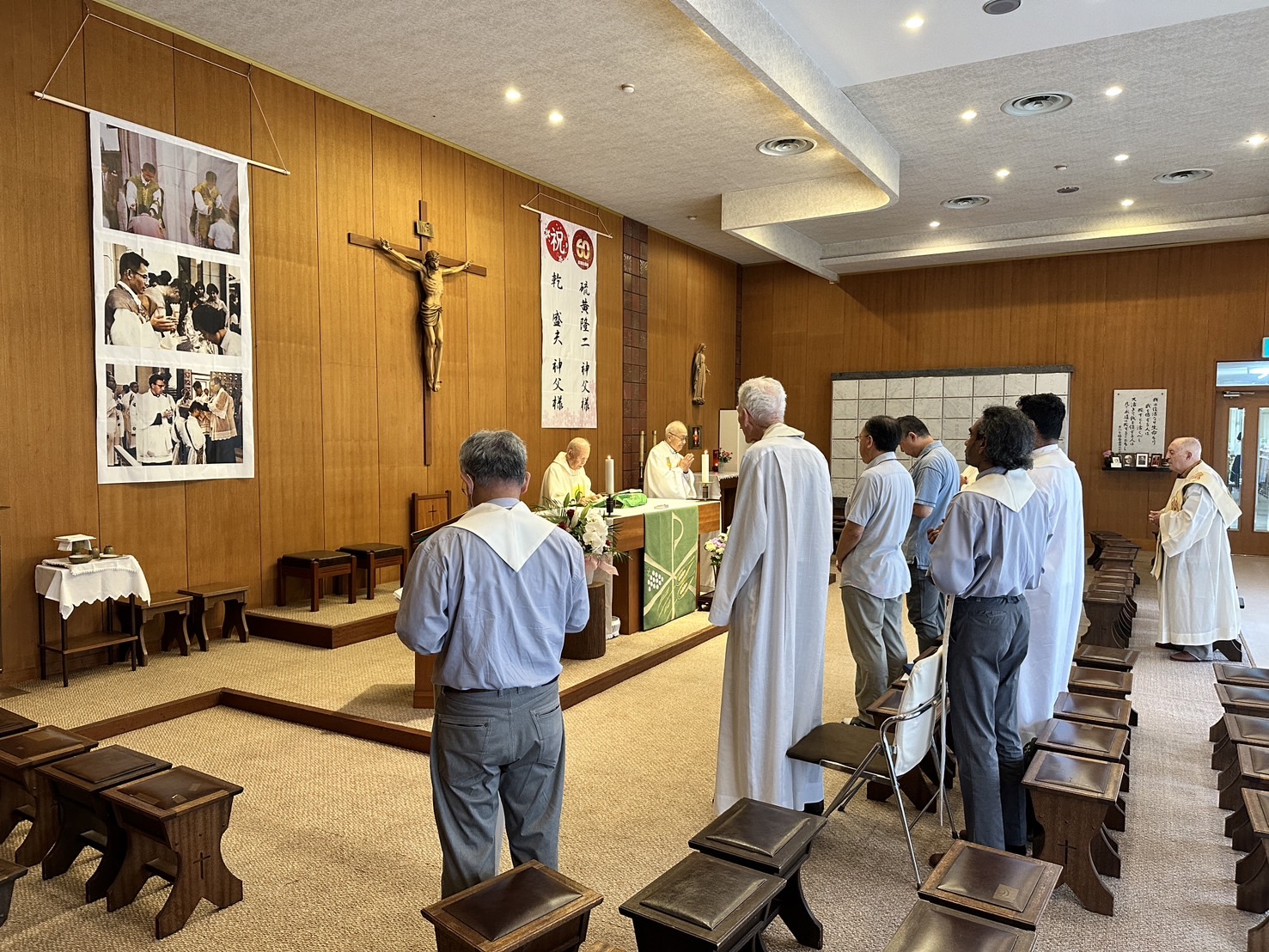
As of 2026, the Delegation continues its traditional work in parishes and kindergartens while courageously addressing emerging social needs. Our current ministries include:
-
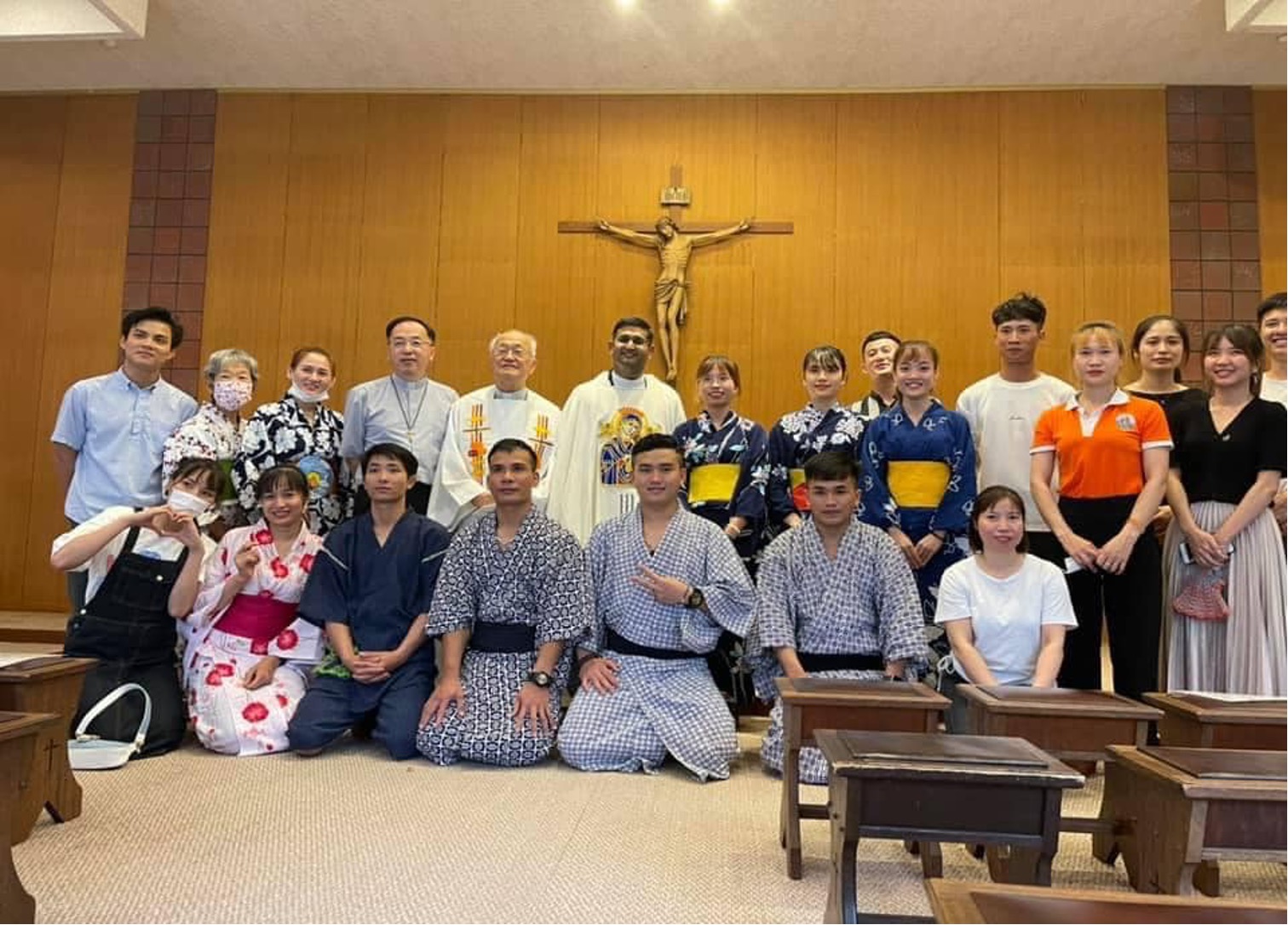
Migrant Worker Support: Providing advocacy and pastoral care for the growing migrant population.
-
Advocacy & Social Outreach: Dedicated ministries for individuals struggling with alcoholism and drug addiction.
-
Prison & Detention Ministry: Visiting detention camps and providing spiritual support to the incarcerated.
-
Homeless Outreach: Serving those on the margins of urban society.
Presently, 16 missionaries from five countries (America, Japan, India, Sri Lanka, and the Philippines) serve in Japan, while six missionaries (from Italy, Korea, and Bangladesh) serve in South Korea.
Sri Lankan Oblate Priests Serving in Japan
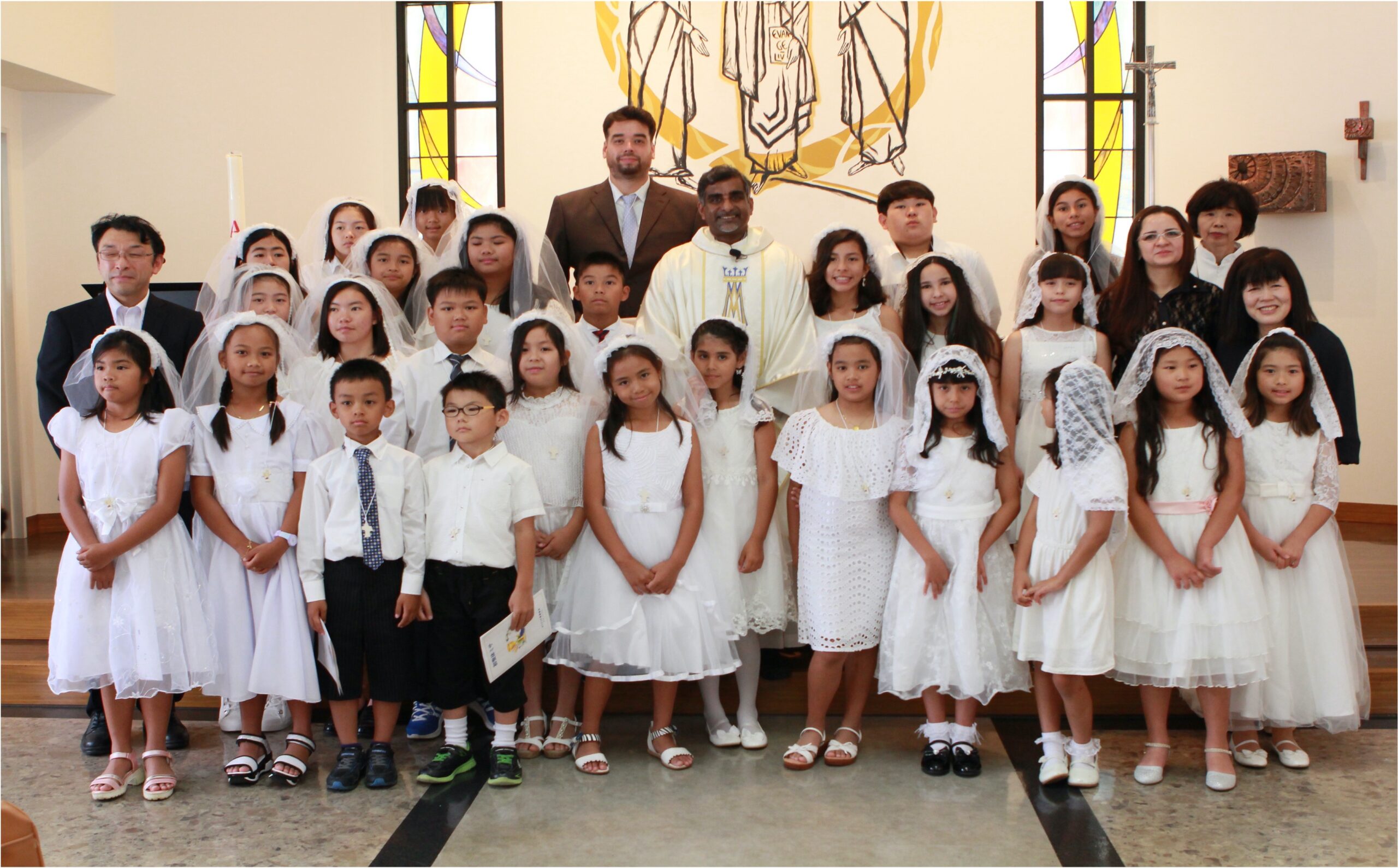
The Colombo Province is proud to have five dedicated priests currently serving the mission in Japan:
-
Fr. Jude Peirispulle, OMI
-
Fr. Bradly Rozairo, OMI
-
Fr. Hiran Jayawardena, OMI
-
Fr. Tharanga Namal Perera, OMI
-
Fr. Samith Sandaruwan, OMI